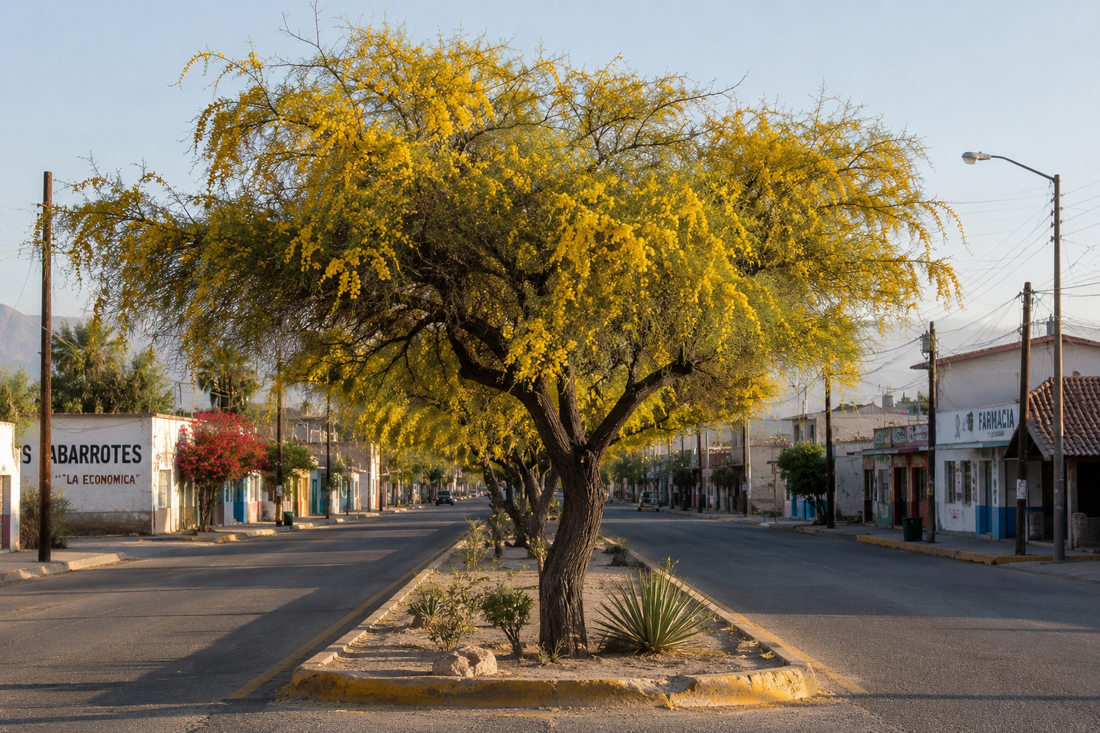
The memory of the dead clings to the strangest places. Ariel's memory is tangled in a street lined with mesquite trees. He once told me that the yellow blossoms adorning them were, in fact, a plague. According to him, those beautiful things hanging from the branches were stealing the trees' nutrients, killing them slowly. He said it with such conviction that I believed him for years. It seemed both terrible and fascinating to me: that something so beautiful could also be a disease.
After he died, I discovered he was wrong. The yellow flowers had always belonged to the tree. The real plague is something else: a tangle of leafless, rootless orange threads that coil around the trunk and drain its life.
Had Ariel's verdict been true, the tree would be dry wood by now. Instead, it keeps blooming. Perhaps that's why, every time I walk past them, I can't help but be struck by the same monstrous thought: the mesquites are still alive, but Ariel is not.
They say grief is love with nowhere to go. I am the embodiment of that idea. Today, on his birthday, that stagnant love turns into a pain I can no longer contain. It's difficult because people maintain a certain distance from absolute suffering; there is a grace period, a limit to how many days you're allowed to stay broken before your sadness begins to make others uncomfortable. I crossed that border a long time ago. My sorrow is made of mesquite wood: it is hard, heavy, and refuses to wither. The combined weight of the dead and oneself is, without a doubt, a burden too heavy to carry.
It might not be the right time...
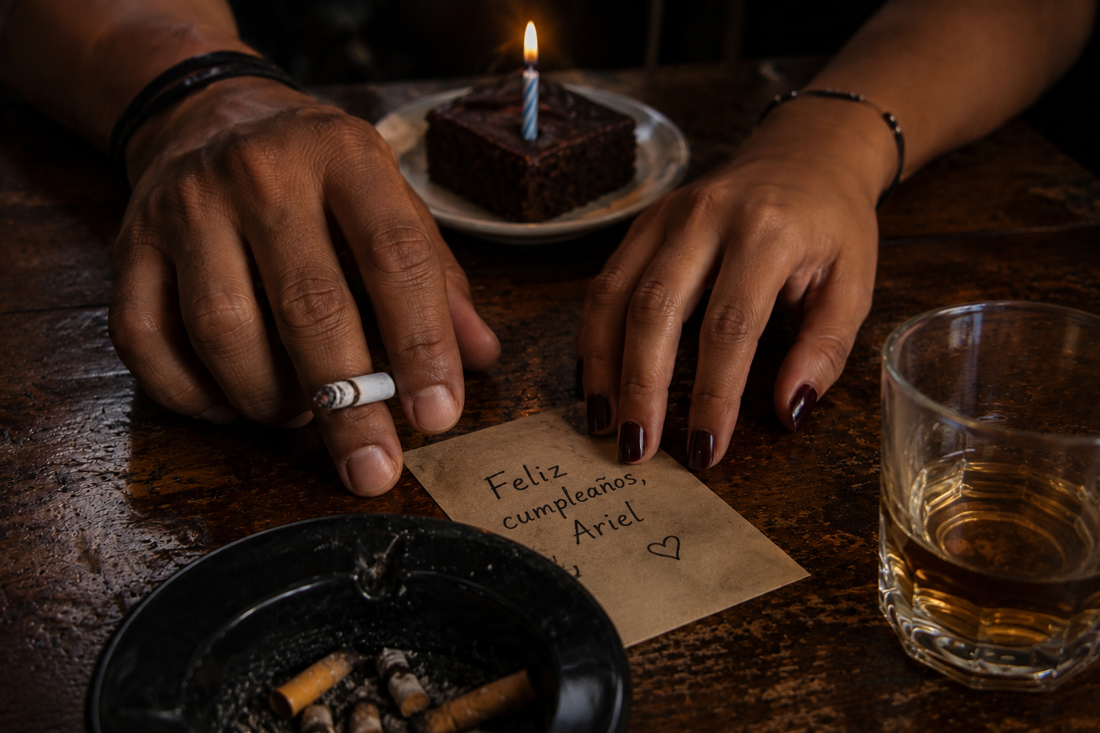
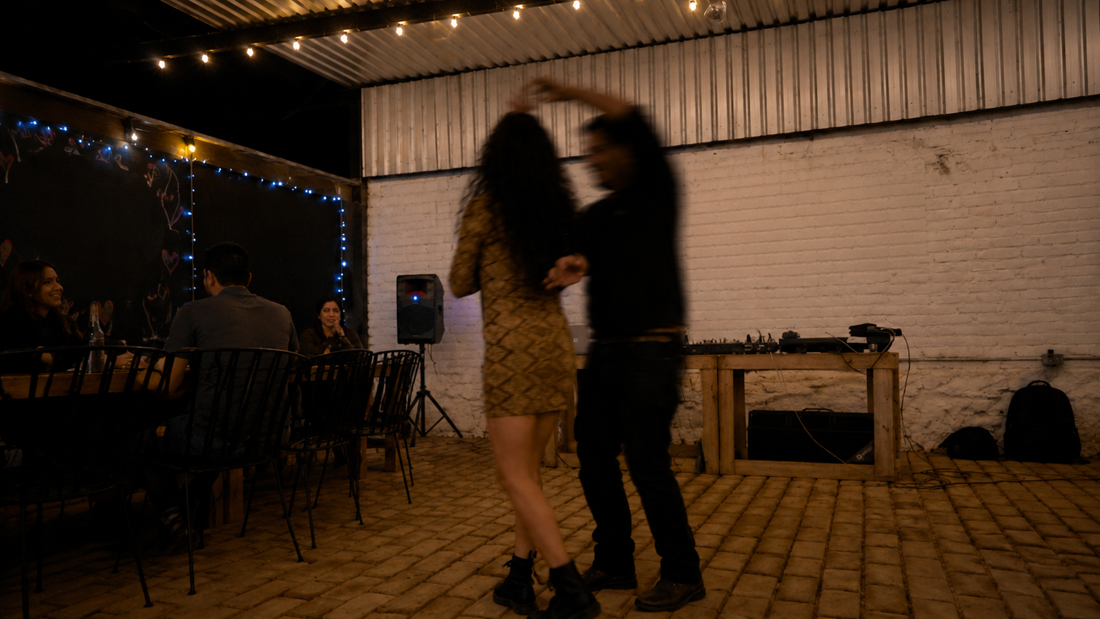
The first time we celebrated his birthday, we ended up in a dive bar. Fate surrounded us like cigarette smoke: thick, slow, inevitable. Everything in us was just about to happen.
In physics, that's called potential energy: the tension built up in a system, waiting for a single shift in position to explode into motion. But death destroyed that imminence.
For months, I lived in a strange sort of denial. I was haunted by the versions of us that never came to be—the stupid fights, the mundane routines, the tenderness, the sex. The slow discovery of how we might have disappointed each other; or perhaps the opposite: confirming that he was the only place in the world where I didn't feel like a stranger.
The cruelest part was realizing too late how much I loved him. I would have accepted any answer from the future, even the end of our love, so long as it wasn't this absence. How I wish our life together had been as long and abundant as that hair of his.
I might not be the right one...
I thought I understood death. Ariel wasn't my first loss, nor even the first person I loved that I've had to bury. But with him, loss revealed itself as something absolute. It didn't help that he died with a brutal irony; without epic proportions and without warning. I think about it and feel an animal rage, because someone with that hunger for living deserved more time—or at least a better death.
There is something particularly cruel about outliving someone who loved the world more than you do. Grief becomes tainted with a kind of shame. As if oxygen is being wasted on the wrong body. In the desert, the mesquite endures while everything else withers. I am that injustice of nature: the stubborn tree that keeps stealing water from the earth while the life that yearned to bloom was cut down in a single blow.
I'll miss you more than anyone in my life...
There are no words that help, no philosophy that holds water when what you feel in your chest isn't just heartbreak, but a black hole devouring itself. Just as the mesquite sinks its roots until it finds water in the deepest darkness, I dig frantically through my memory for any trace of Ariel. There are days when his absence feels so vast that continuing to breathe feels obscene. His birthday makes me profoundly suicidal.
Sometimes, in the dead of night, I wish with all my might that he would come for me—that he would pull me out of this sham of a life and let me rest in that hollow beside him. Grief becomes a form of loyalty. I cling to it with teeth and claws because it is the last thread tethering me to his heart. I sabotage my own happiness out of the sheer panic that if I stop suffering, he will finally, truly die.
And so, I understand how exhausting it must be to try to love me now. To love someone like me is to know that a part of the woman you crave is still lying, mentally, beside a grave. Because the truth is that I am going to miss him—love him—more than anyone in my life. And that is deeply unfair to the living, because, let's be honest: you cannot beat a dead man.
I love you more than anyone in my life...
Ariel was wrong about botany, but somehow his mistake became my decree. He believed the most beautiful part of the mesquite was also the thing that would eventually kill it. And that is the exact definition of my love for him.
To love the dead is unnatural, yet profoundly human. The mesquite drops its seeds to survive; I, instead, have decided to keep my dead flowers. This love (or rather, this grief) is my orange vine: the most beautiful thing I own, and the very thing that is, bit by bit, annihilating me from within.
Without a doubt, I miss him more than anyone in my life.
Happy birthday, Ariel. Wherever you are.
***************
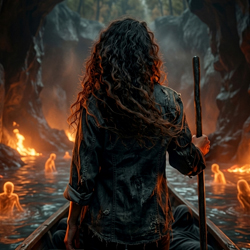
Caronte: Some realities can only be seen from the fringes. Caronte gathers them, transforming them into chronicles of ink and paper. Her compass doesn't point north, but toward the common ground; her vessel seeks no harbor, only the power of the question. Curiosity is the only valid toll. Here, we navigate with the intent of reaching, together, the other side.
************** *****
Please contribute to Lokkal, SMA's online collective: