 Español
March 15, 2026
by Charles Miller
Two weeks back I wrote about the predicted internet catastrophe that never happened, that being the problem of running out of Internet Protocol (IP) addresses that everyone needs in order to connect to the internet. There were quite a few circumstances that contributed to the predicted disaster not happening. Here I will try to provide a little historical perspective to explain why the internet did not crash and die when the experts said it would.
In the 1970s and 80s when the original internet protocols were being designed, 4.3 billion IP addresses seemed like a supply that would never run out. This led to some inefficient practices. For example, once in the 1990s when one of my clients needed one IP address and I asked the internet provider to assign one, they allocated a block of 16 IP addresses for the same price. I used one of the IP addresss and never touched the other 15.
Since the supply of new IP version 4 addresses ran out seven years ago, the internet providers have been using strategies to recover and repurpose unused IP addresses, so; hopefully the internet provider I dealt with in Texas has found and reassigned those 15 IP addresses I never used.
Without a doubt, the main reason the predicted catastrophe never happened is the adoption of Network Address Translation (NAT). This technology is found in your home router and permits you to have one IP address assigned to your house and to share it (theoretically) with up to 253 internet-connected devices inside your home. That is how you can have all your computers, phones, televisions, and other devices connected to one internet service.
NAT can also be implemented by Internet Service Providers to share a single IP address with multiple customers. Each of those customers could have their own NATting router to connect multiple devices to their internet service. This creates a multiplying effect where a single IP address could be used by hundreds or even thousands of devices. Then, a good router can be depended on to route the traffic to the right device. Also, it used to be that each website had to have its own dedicated IP address, but web hosting companies now have the ability to share one IP address with many websites.
Through these and other recycling, transfers, and address-sharing technologies, the exhaustion of the supply of IP version 4 addresses has not yet been the disaster that was predicted.
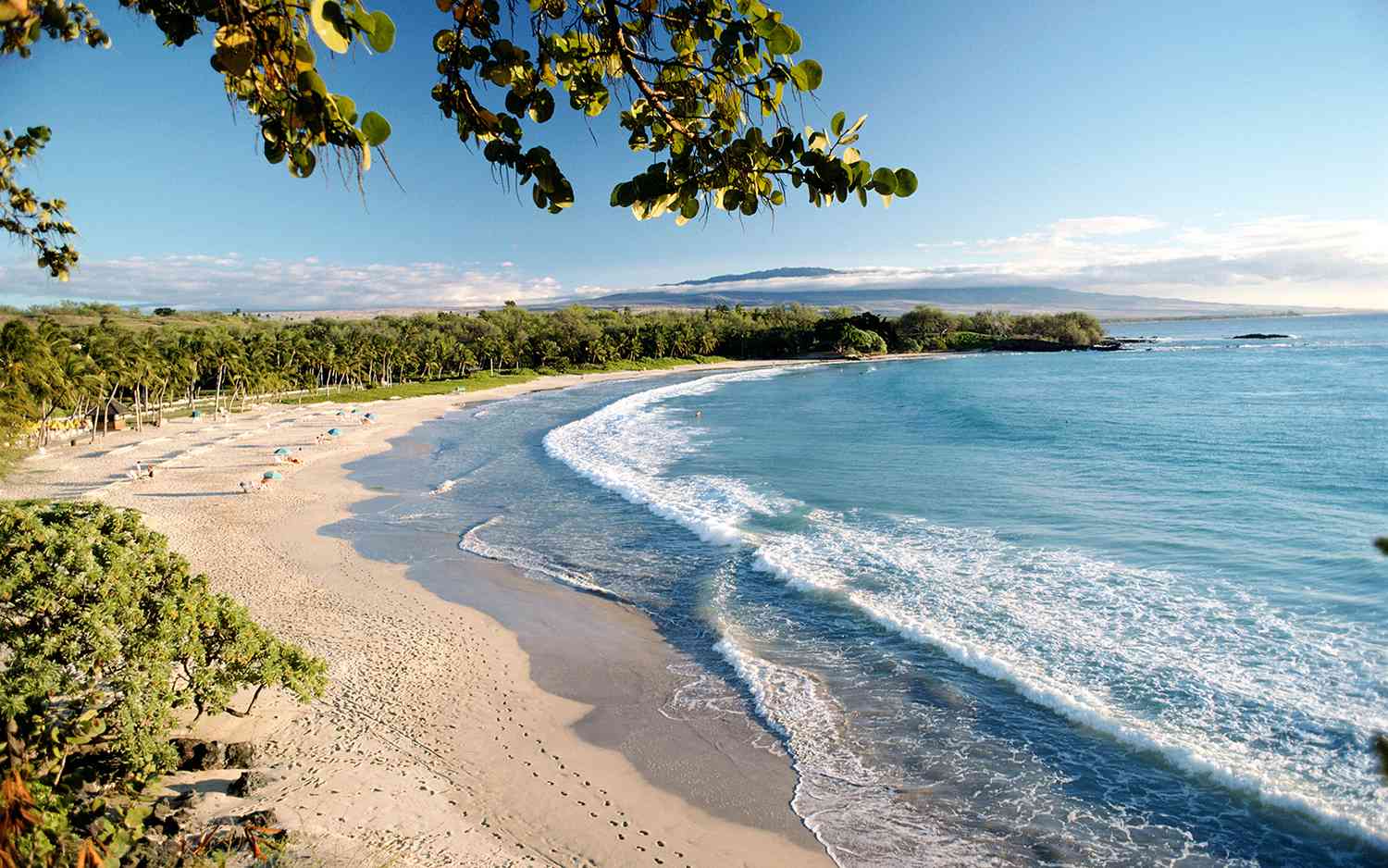
A long-term solution to the exhaustion of available IP addresses was developed by the Internet Engineering Task Force back in 1998. IP version 6 is intended to replace version 4 and is now being phased in. IPv6 has a lot more that 4.3 billion addresses; about 340 undecillion unique addresses. Rather than attempt to provide an example of what an undecillion is, I will just say it is a number that is 36 digits long, and is supposed to be enough IP addresses that every grain of sand on every beach in the world could have its own IPv6 address. Undecillion is a word I hope I never hear in a discussion of the national debt. Of course IPv6 addresses have to be quite a bit longer than the old version 4 addresses that are never longer than 12 digits.
What this will mean is that someday, if not already, your internet provider might start using one of the new version 6 IP addresses for your house. You might never see it, but it could look like 2001:0db8:85a3:0000:0000:8a2e:0370:7334. Not to worry; that address can be abbreviated to only 2001:db8:85a3::8a2e:370:7334
**************

Charles Miller is a freelance computer consultant with decades of IT experience and a Texan with a lifetime love for Mexico. The opinions expressed are his own. He may be contacted at 415-101-8528 or email FAQ8 (at) SMAguru.com.
**************
*****
Please contribute to Lokkal,
SMA's online collective:
 ***
***
Discover Lokkal: Mission
Visit SMA's Social Network
Contact / Contactar