July 5, 2026
by Dr. David Fialkoff, Editor / Publisher
I am studying world history. Rather, I am listening to a series of YouTube videos made by someone who has studied world history. Ok, he's only 24 years old. But he has read a lot of books, and he's a good talker.
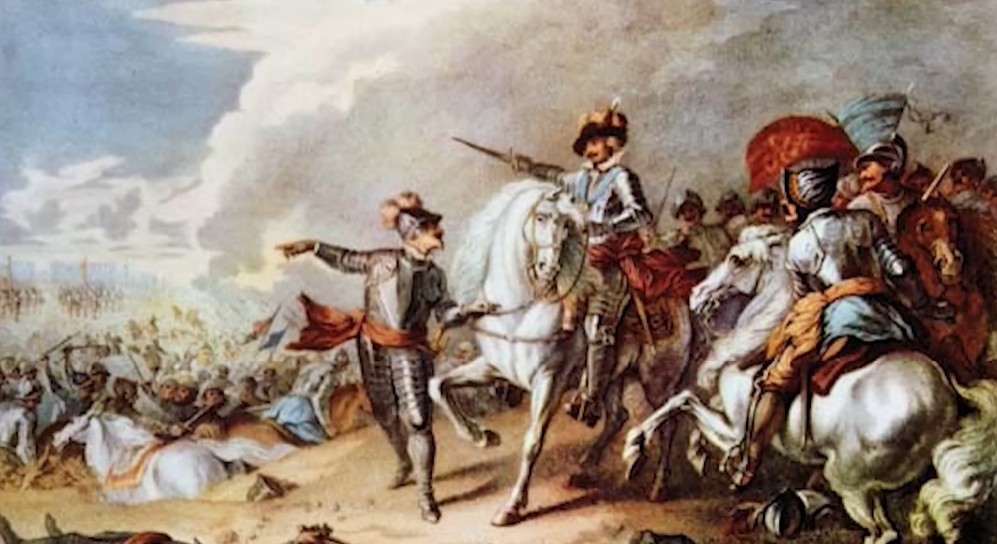
Before I discovered this video series, what I knew about European history, that it was a series of invasions: this king warred against that king; these generals fought those those, is still a good one-line summary. And it turns out to be true for the rest of the world, everywhere, always. Yes, occasionally peace did break out now and again, sometimes for a hundred years. But that was almost always because a superior power, a colonial empire, forced tribes or nations to stop fighting; except nations weren't invented until the conference of Westphalia, which was Europeans deciding that they had to do something about their constant wars. Pax Romana, the order imposed by the Roman Empire, lasting 200 years was the longest peace.
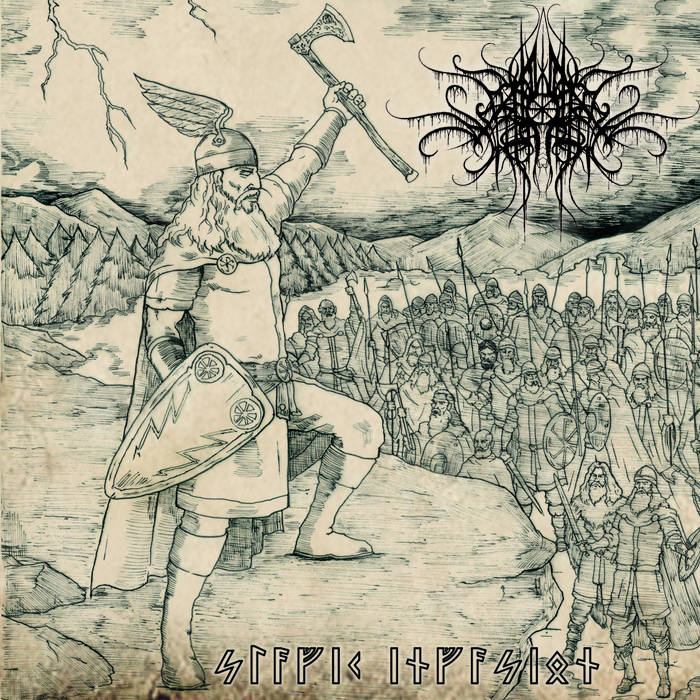
Relatedly, I watched another video, attracted by its provocative clickbait title, "Upsetting DNA Discovery." I viewed that one just long enough to discover that it was the academics who were upset, particularly the anthropologists. The dogma of the universities held, and still holds (evidence be damned), that there was, nearly universally, a precolonial Eden; that everywhere, before white people arrived, there were more or less stable cultures, indigenous societies, evolving like plants native to their region: "Hey, look, I planted these seeds instead of eating them. Let's stay put and grow our food"; "Wow, this grape fermented"; "If we heat the ore, we can extract the iron."
The video's upsetting discovery is that DNA evidence clearly shows (with the exception of the Australian Aborigines, who were protected by an expanse of ocean) that there are no indigenous peoples. Yes, some tribe got there first, but they were replaced (if they put up a good fight, only eventually) by a tribe of newcomers. The Aztecs were invading colonizers, who were themselves replaced by other colonizing conquerors, the Spanish Conquistadores. History, universally: Rome, the Germans, the Huns, the Mongols, the Bantus... is a tale of conquest, followed by genocide and, perhaps, slavery. Close to home, Mayan cities genocided each other.
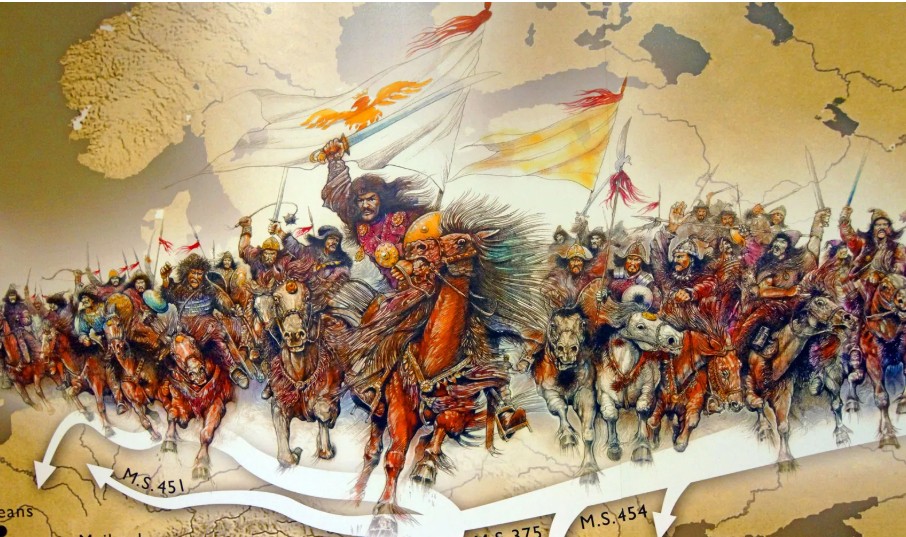
Just putting my toe into political waters, the Israelites by this standard (is there another?), who slaughtered the Canaanites, are no more "indigenous" to the land than are the Palestinians. But then the Canaanites, so DNA reveals, displaced an earlier society, which itself was not indigenous...
Western civilization, widely portrayed as the baddie, in fact (through Westphalia and the Enlightenment) created an alternative to, if not conquest, at least genocide and slavery. England spent a lot of "blood and treasure" to abolish slavery wherever its navy held sway, and (more or less) peacefully gave up its empire after the first World War.
Truth is a slippery fish. One of the conventions we use to agree upon it (and we can thank the Western Enlightenment for this) is agreement itself: the experiment can be replicated; the facts point in the same direction; the DNA agrees with the historical record. Rationality, agreeing on the facts, "following the science," like Westphalia, is a Western convention.
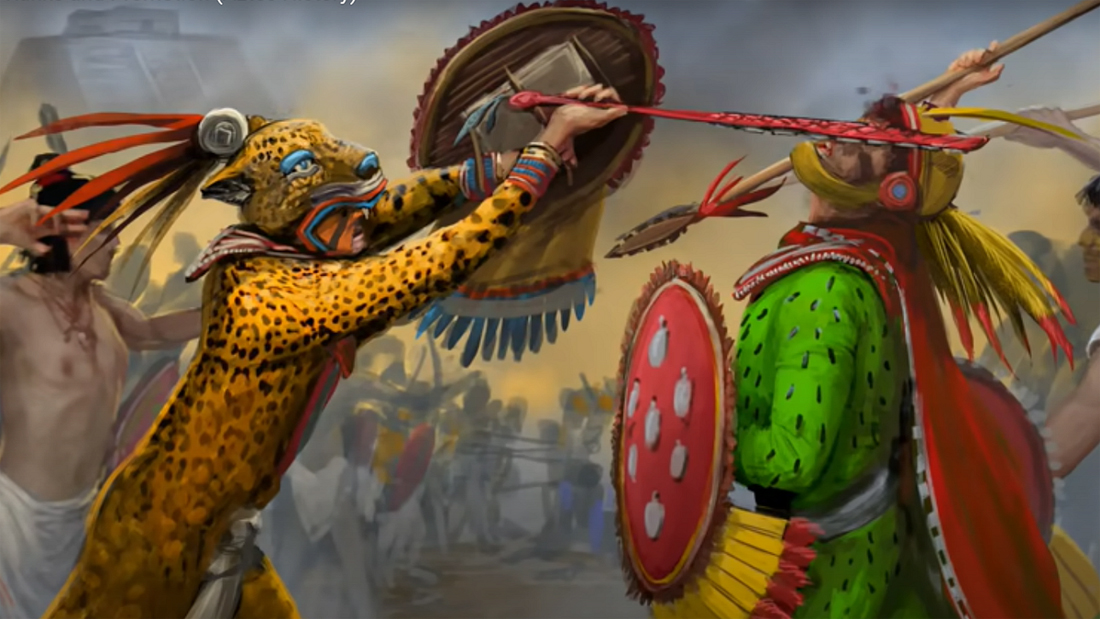
Another upsetting discovery is that 90+% of the time we are "rational" only after the fact. That is, we do what our selfish emotions want and later rationalize, inventing reasons for what we have done.
I watch myself doing just that, not quite in real time, as I am doing it, but quickly thereafter. My selfish emotions, which are negative (is "selfish" always negative?), frequently color my "reality" with the ugly tones of hurry and anxiety, of something wrong or something about to go wrong.
The good news is that, unlike before (I would like to say decades, but the change is much more recent), I don't persist in rationalizing my nervousness; I don't go about creating the circumstances that justify my apprehension, at least not for long. Even though it has taken me a lifetime to put it into effect (it's still a work in progress), decades ago, I caught a glimpse of this much more enlightened state of affairs when I came across the Buddhist adage, "If you are in a toxic relationship, leave."

As you may be wondering, I could ask myself, why did it take me so long? or, a related worry, what am I still missing? That is, what other discoveries that would relieve me of my self-flagellating status quo are yet slipping through my fingers? But, viciously circular, that line of questioning is itself toxic.
It seems to me both that I am doing the best I can do, and, paradoxically, that what I am doing is best. It seems to me that it is a question of timing, of catching myself catastrophizing sooner. Let me illustrate this with an episode from last night, last twilight to be precise.
Yesterday, Tuesday, the last day of June, I was in the process of moving the last of my things out of my apartment in colonia Insurgentes (just past San Luis Rey), to my new place in Manantial (colonia Allende). The day before, Monday, despite some light drizzle at the appointed hour, I had succeeded, through the efforts of two young men and their pickup truck, in moving two bulky, surprisingly heavy (well-made), leather pieces of furniture (a love seat and an armchair) down the narrow staircase from my old, second-floor apartment and up a narrow staircase, with a 180 degree turn, to the third floor of my new apartment. (The stairs at the new place from the first to second-floor, although there are a lot, are straight and wide.)

Before yesterday, over the last few weeks, I have been diligently moving my things to my new place, making four or five runs, with my CrossFox, most of them with tables and other large items tied to my roof rack. But I regularly underestimate the work that is left to do. This was true late yesterday afternoon when I realized that, apart from the cleaning that was left to do, I would not fit all my things into one last carload (those plants take a lot of room). So, while the freezer defrosted and the last load of laundry completely dried in the breeze, I delivered the current load. That done, I then gave Veronica (who is vacating the house into which I am moving) a ride to her osteopathic appointment (the office being on the way) and went back to load the last load.
While packing, the sky grew dark. Yes, it was the end of the day, but also a storm was approaching from the east. On her Uber ride home, Veronica called to say that she didn't have her keys, and to ask if I had them, a real possibility since I had used her key to lock the door. But no, I didn't, at least not anywhere that I could find them. Then, she asked me to come let her into our house as soon as I could as a downpour was imminent. With that it became obvious that the final load was not yesterday to be. I advised Vero to shelter with a neighbor and hurriedly made ready to flee.
As lightning flashed and thunder roared I packed the perishable contents of my refrigerator (now, writing this, I realize that I could have just turned it back on) and moved everything already packed out to the car, managing that before the rain began to fall in earnest.
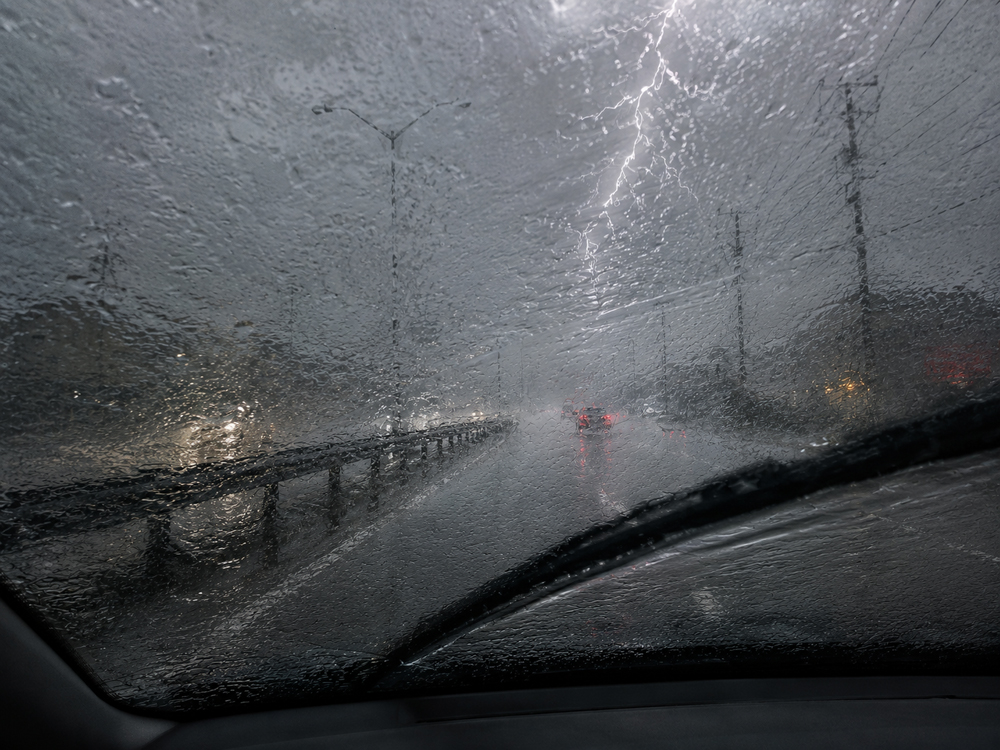
My CrossFox takes cobblestones and speed bumps with ease, but not when it's heavily loaded. So, I drove slowly until I made it to the highway to Dolores. Turning onto the Libremiento night was already black and the rain was falling in buckets, almost to the point of overwhelming my windshield wipers. Thankfully, there was very little traffic. There, in that environmentally and sensorily altered situation (having received a message from Vero that she was safe and comfortable with a neighbor) I took a deep breath and realized that all was well. I lost my hurry and felt safe and comfortable myself, driving to my new home.
It seems it is a question of timing. The song declares, "What a difference a day makes," but, love aside, that is not usually true. Certainly, in this case, my landlady wouldn't mind me adding a day to my exit. One thing I learned from the history video series to which I am listening is that the Chinese believed that time passed more quickly around the Emperor, as much more happened at court. Similarly (if less imperially) a new sense of time is dawning on me.
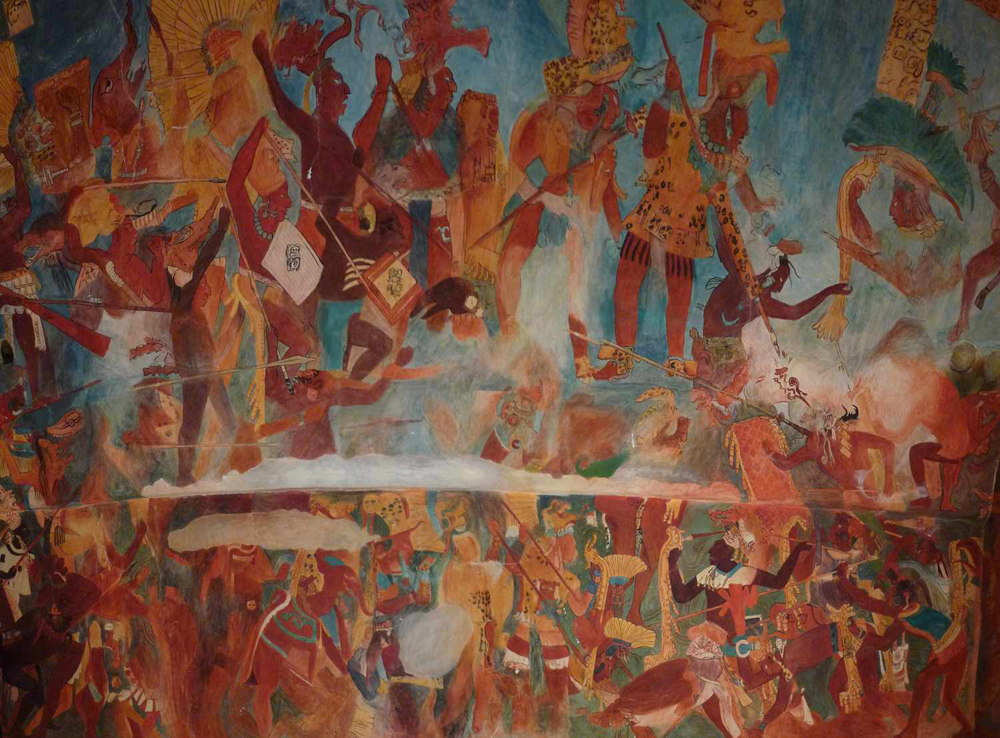
Neuroticism, hurry and wariness, are natural, animal traits, survival mechanisms. Being human (contrary to how the starry-eyed anthropologists romanticize our primitive past -- the noble savage) is not natural. Being human involves using our higher brains to moderate our animal instincts, the Four Fs: feeding, fighting, fleeing and mating.
My sense is that my anxieties will never disappear, but I am quicker at calming them, hence my new sense of time. It's getting easier, during the crashing, flashing, blinding storm, to take a deep breath and enjoy the ride. I think that spiritual masters are just as silly as the rest of us. But they have the advantage of knowing instantly that they are silly.