 Español
October 25, 2026
by José Optio
When honoring the dead becomes a contest among the living, we have forgotten what we're celebrating. Día de Muertos is a celebration of life, not a competition for attention.
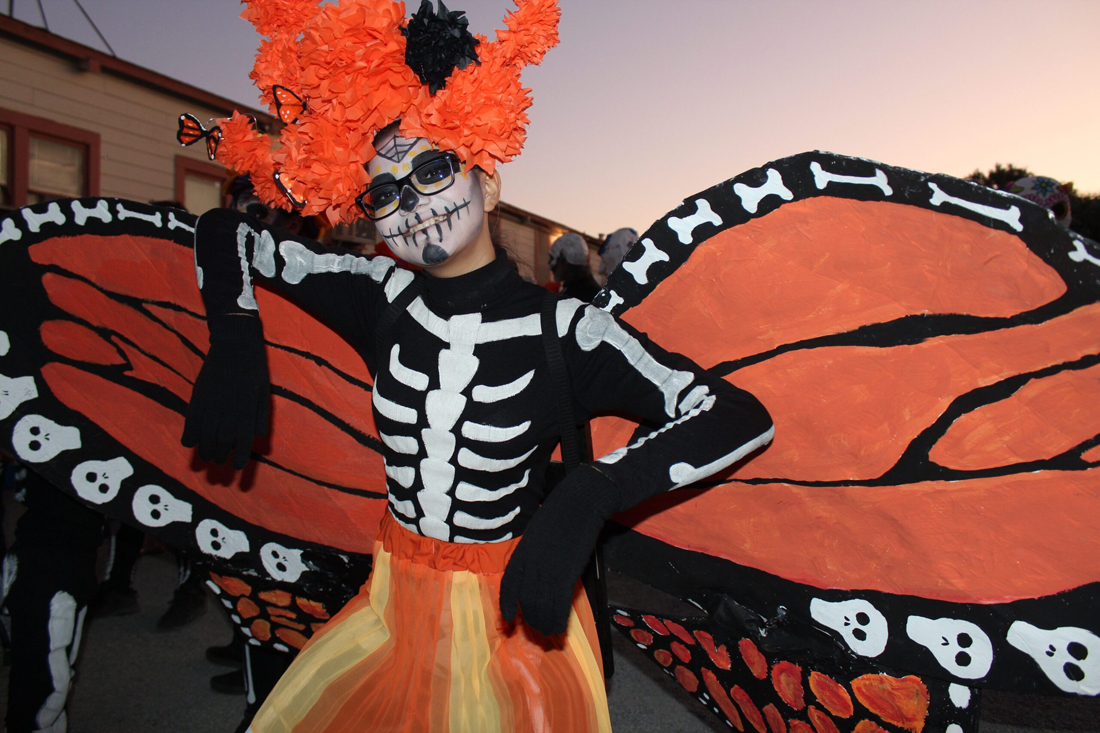
Sure, there are some contests for young ladies and men. But these are strictly for creativity, not who paid the most for a costume. These young ladies and men, understanding the meaning of the day, participate to honor their loved ones. They are expressing a strong, loving relationship with their families, not just attending a parade or trying to outdo each other.
There is something profoundly beautiful about the way Mexico understands death. Many cultures treat death as an ending. It is a subject to avoid, a darkness we would rather not confront. But in Mexico, Día de Muertos invites us to see death differently. It reminds us that love does not disappear when life ends, that remembrance is an act of devotion, and that those who came before us remain part of who we are.
Rooted in Indigenous Mesoamerican traditions and shaped over centuries by Catholic observances, Día de Muertos is not simply a celebration. It is an expression of Mexico's cultural identity, spiritual imagination, and extraordinary relationship with mortality.
And at its heart is something beautifully simple: We remember those we love. It is intimate. It is generous. It is sacred. And increasingly, I worry that we are losing sight of that.
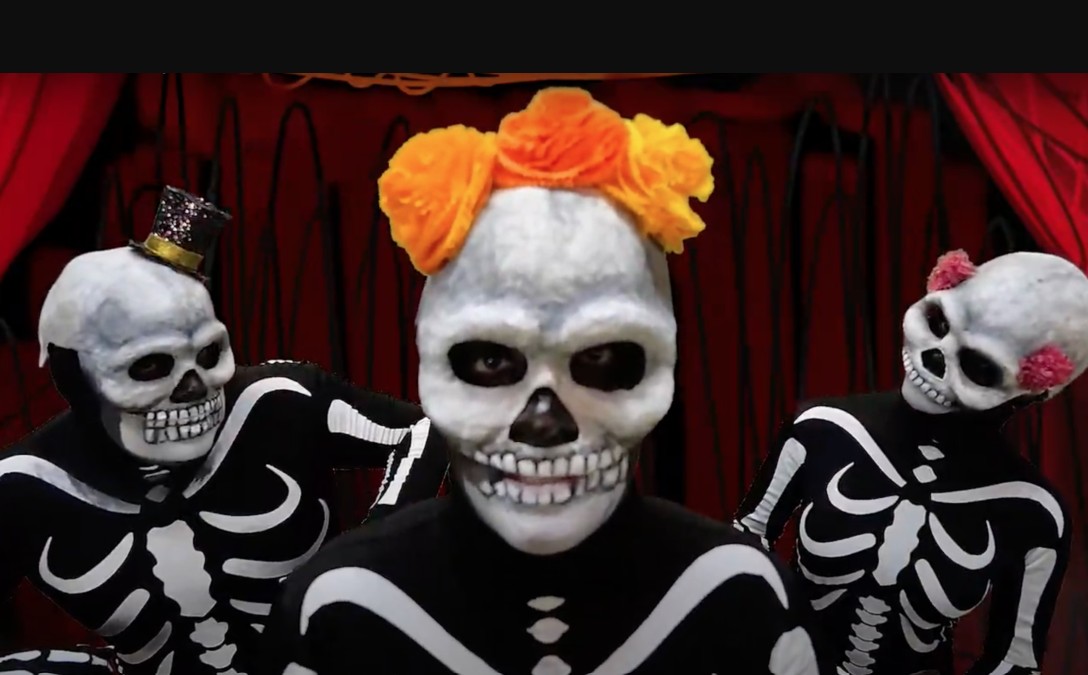
When Remembrance Becomes Performance
Mexico has always been remarkably generous in welcoming others into its traditions. Foreign residents and visitors are often invited to participate in celebrations that carry generations of history and meaning. That openness is something to cherish.
But there is a difference between participating in a culture and using that culture as a stage. Turning Día de Muertos into a Halloween show and dressing as the only iconic dead Mexican icon you know borders on mockery.
Somewhere along the way, elaborate costumes, expensive productions, beauty competitions, and the pursuit of social media attention have begun to overshadow the very people Día de Muertos is meant to honor.
This is culturally offensive to the people who live here, whose families have lived here often for generations, in the same town you have moved to, people who are less affluent than you. It is a gross display and a real embarrassment.
Foreigners who flaunt their wealth are completely tone deaf to our very difficult economic times. It is a “let them eat cake” spectacle.
Of course, artistry, elaborate dress, and theatrical expression have a place in Mexican celebrations. The iconic Catrina herself is a powerful example of art, satire, and cultural symbolism. Creativity is not the problem. A Catrina is not a famous person. She is a general representation of the meaning of death.
The problem begins when remembrance becomes secondary to recognition. When the question is no longer “Whom am I honoring?” but “Who will notice me?” When the celebration becomes less about the departed and more about who spent the most money, attracted the most photographers, or created the most spectacular entrance. Día de Muertos is not a beauty pageant. Nor should it become a competition for attention.
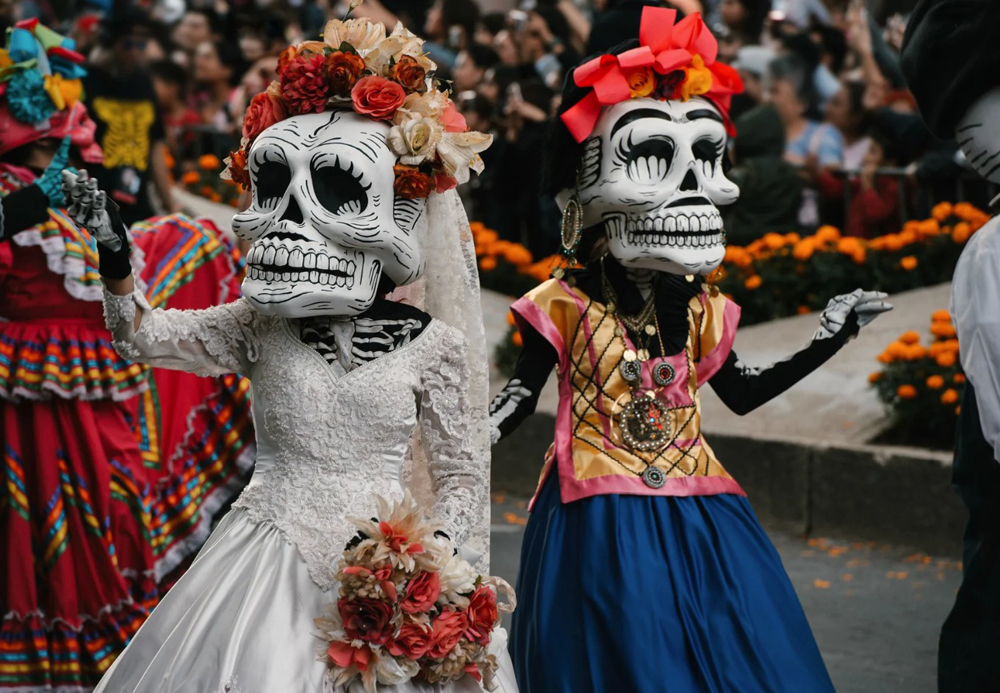
Respect Is More Important Than Spectacle
Mexico has given the world extraordinary artists, musicians, writers, revolutionaries, and cultural figures whose lives and legacies deserve genuine respect.
Portraying a deceased historical figure can be a meaningful tribute when approached with knowledge, intention, and dignity. But reducing that person to a recognizable costume, without understanding their significance, risks turning remembrance into caricature.
There is also an important distinction between Día de Muertos and Halloween. Both may involve costumes and imagery associated with death, but their histories and purposes are different. One invites us to play with fear and fantasy. The other asks us to remember, honor, and reconnect. We should understand that difference before deciding how to participate.
Imagine What That Money Could Do
Here is a thought: What if some of the money spent competing for the most extravagant appearance were redirected toward honoring the very spirit of the celebration?
Imagine:
- supporting a children's home in memory of someone you loved.
- helping restore a neglected cemetery, preserving the resting places of generations who came before us.
- purchasing flowers for graves that no longer receive visitors, because the families have moved away, grown old, or passed on themselves.
These gestures may never attract a photographer. They may never appear in a magazine or receive thousands of likes. But that is precisely the point. The most meaningful tribute is not always the most visible one.
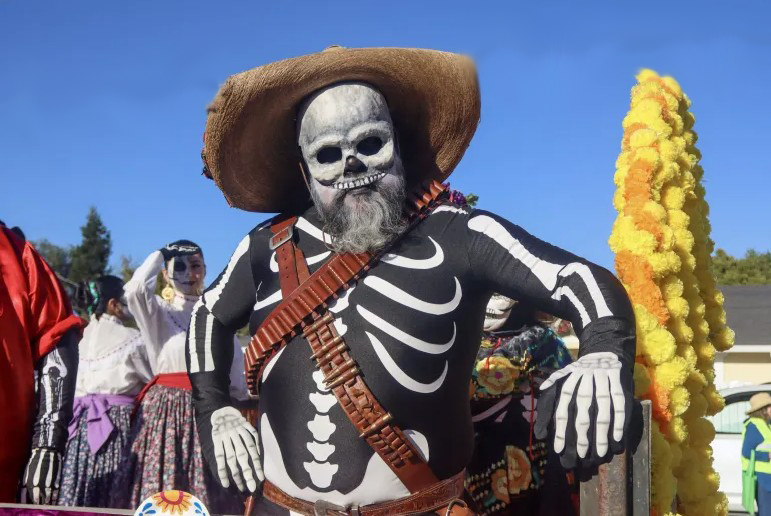
In Death, There Are No Winners
One of the most powerful lessons of Día de Muertos is also one of the simplest. Death is the great equalizer. Many of the songs talk about how we will all be the same in the casket or the grave.
Death does not care about our nationality, wealth, social standing, beauty, or popularity. Eventually, we all arrive at the same destination. No expensive costume, elaborate headdress, or exclusive invitation changes that reality.
And perhaps that is why this tradition is so extraordinary. It asks us to set aside our vanity and remember what truly matters: the people we have loved, the lives that shaped ours, and the memories we have a responsibility to preserve.
This is not an argument against foreigners participating. Quite the contrary. It is an invitation to participate more deeply. Learn the history. Ask questions. Honor someone. Visit a cemetery respectfully. Support the people who preserve these traditions. Understand the symbols before wearing them.
Celebrate with joy, certainly. Dress beautifully if you wish. But remember why you are there.
Mexico has generously opened the doors to one of its most meaningful traditions. The least you can do is enter with humility.
Día de Muertos was never meant to celebrate who looks the most beautiful among the living. It is meant to remind us that the dead are still worthy of our love.
**************
*****
Please contribute to Lokkal,
SMA's online collective:
 ***
Discover Lokkal: Mission

Visit SMA's Social Network
Contact / Contactar