 Español
June 14, 2026
by Charles Miller
Anyone who has ever used the YouTube.com web site has been exposed to the algorithm's suggestions of videos that might be of interest. These appear on the right side of my screen incessantly blasting out a tacit message "Here's more videos you'll like, keep clicking!" For the most part, I try to ignore these suggestions. A question I have been asking myself with almost every visit to this web site is: "How prevalent is the use of AI-generated video content on YouTube.com?" This is a question a growing number of visitors to YouTube.com are asking, and there is emerging evidence that AI-generated video content is increasingly present on the site. A number of independent studies and industry reports estimate that possibly a third of all new videos involve some AI-generated content.
AI-generated content typically includes videos created primarily by AI tools, but definitions of AI videos differ and makes it hard to know if that "one third" (33%) is really accurate or if the number is higher or lower. Artificial Intelligence in the production of videos can include "text-to-video" where a synthetic voice reads the narration, or much more sophisticated visuals and even synthetic characters. Some is tasteful and very well done, while some is slop derisively known as "brain rot."
Some reports mention that AI has broader penetration in some markets or specific categories of channels than others. I, for one, frequently search for documentaries and end up finding videos produced by The History Channel, The BBC, National Geographic, etc. You might think that would not expose me to a lot of the brain rot but the suggestions I am fed are almost all "clickbait." Those suggestions are all about audience retention and advertising clicks (monetization).
YouTube has published guidance to creators urging transparency when AI or synthetic content is used, and YouTube guidelines encourage the use of original content. The recommendations include disclosing the use of generative tools to help maintain viewer trust. Specifically, with regard to news coverage of current events, the guidelines encourage using AI tools to facilitate workflows for creators, while stressing transparency about the use of AI needs to help viewers discern authenticity.
One thing the data shows about Artificial Intelligence on YouTube is that it is not just present, but is now deeply integrated into the production workflows that create new content. Many content creators are already using AI tools. This does not necessarily mean their entire videos are AI-generated, but specific tasks including voiceovers, script writing, editing, and thumbnail generation are being increasingly turned over to AI. Provable human creativity is becoming increasingly harder to find.
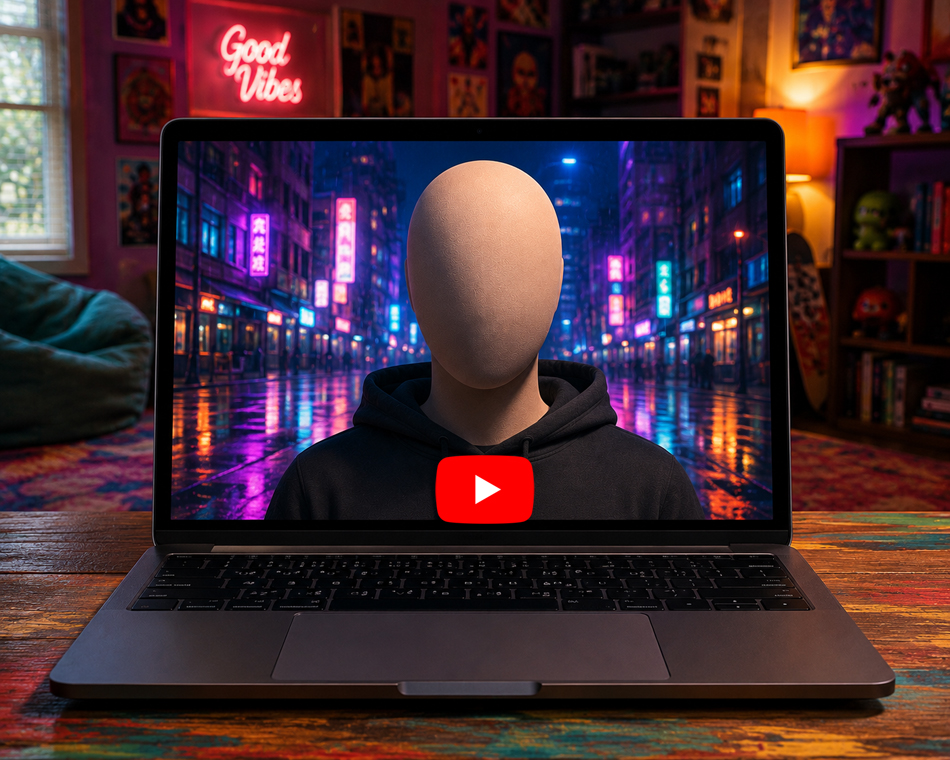
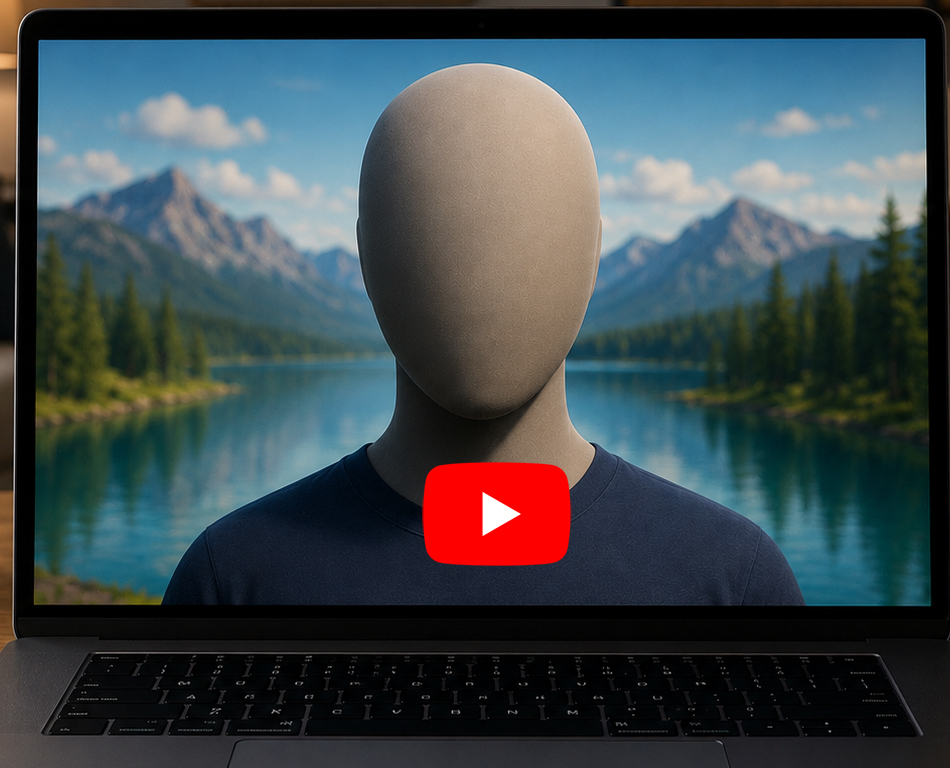
A striking statistic, if it is accurate, is that 38% of the most monetized YouTube videos are "faceless." Faceless videos let creators share content without appearing on camera. This is supposed to allow the producers of these videos to focus on writing, visuals, and value. Unfortunately the data suggests a significant portion of new content relies heavily on automation. There are now many software makers and marketing companies advertising that for a price you can hire AI to create and upload hundreds of videos a day. It is growing more difficult to spot these AI-generated videos. Come back next week and I will list some clues to look for.
**************

Charles Miller is a freelance computer consultant with decades of IT experience and a Texan with a lifetime love for Mexico. The opinions expressed are his own. He may be contacted at 415-101-8528 or email FAQ8 (at) SMAguru.com.
**************
*****
Please contribute to Lokkal,
SMA's online collective:
 ***
***
Discover Lokkal: Mission

Visit SMA's Social Network
Contact / Contactar