 Español
February 1, 2026
by Charles Miller
On computer networks — including the internet — there are two types of addresses you may have heard about. Both the local networks and the internet we all use today simply could not function without IP and MAC addresses. They are used together to connect everything together on the internet. Blessedly, nobody is required to know anything at all about these addresses in order to use them and the internet, but if you have enough curiosity about how the internet works, read to the end of this article.
Over a period of decades as this thing we today call "The Internet" was evolving into a worldwide communications network, the engineers designing it created a couple of numbering systems to facilitate connecting computers to the network and tracking where they were on the network. In no particular order, because I do not really know which came first, these numbering systems are called IP (Internet Protocol) and MAC (Media Access Control). In the simplest possible terms: a MAC address identifies a computer or some other hardware device just like a serial number, and an IP address identifies the physical location on a network where that MAC is located.
An IP address consists of four numbers separated by periods, such as 192.168.0.1. MAC is a 12-digit hexadecimal number separated by colons that looks like "12:34:56:78:ab:cd".
Tying all this together is ARP (Address Resolution Protocol). ARP is the network protocol used to map IP addresses (which do change) to a machine's MAC address (which never changes). This is essential because all devices on the internet communicate with each other using their MAC addresses, and the MAC address does not tell where the device is located. ARP does keep track of IP addresses, so it knows where a specific device is located on the internet.
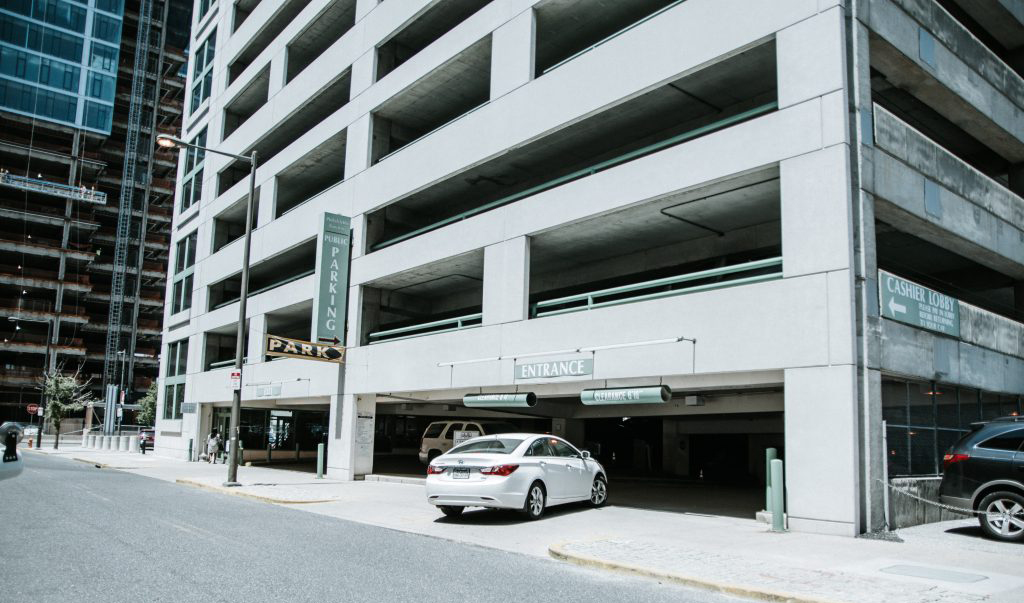
Both IP addresses and MAC addresses are intended to be unique. If the internet were a gigantic parking garage, a MAC address would be the license plate number firmly bolted onto a car and the IP address would be the number of the parking space where the car is located now. No two cars should ever have the same license number, and no parking space ever has more than one car in it. ARP is like a list of which cars are in which parking spaces at the moment.
The engineers who designed this numbering system many decades ago were incredibly far-sighted. At a time when the entire internet consisted of only a few dozen computers, the engineers provided for enough future expansion to four billion IP addresses, and 281 trillion MAC addresses. Can you see the problem with those numbers yet? If so, you might be smarter than those engineers.
If all the available MAC addresses were divided evenly, then each individual person on earth would be entitled to 34,000 MAC addresses. But if IP addresses needed to be assigned to them, then there would not be enough for even 1% of the MAC addresses to also have an IP address. Those far-sighted engineers who designed the system simply did not plan for enough IP addresses for all the smart phones, computers, and other internet-connected devices we have today.
Thirty years ago, when the internet exploded in popularity, it also started on an inevitable course toward the disaster of running out of IP addresses. Fortunately, the local cable television provider serving only a few thousand customers in my East Texas hometown was a part of solving this problem. If you want to learn that story, please come back next week.
**************

Charles Miller is a freelance computer consultant with decades of IT experience and a Texan with a lifetime love for Mexico. The opinions expressed are his own. He may be contacted at 415-101-8528 or email FAQ8 (at) SMAguru.com.
**************
*****
Please contribute to Lokkal,
SMA's online collective:
 ***
***
Discover Lokkal: Mission
Visit SMA's Social Network
Contact / Contactar