 Español
April 12, 2026
by Charles Miller
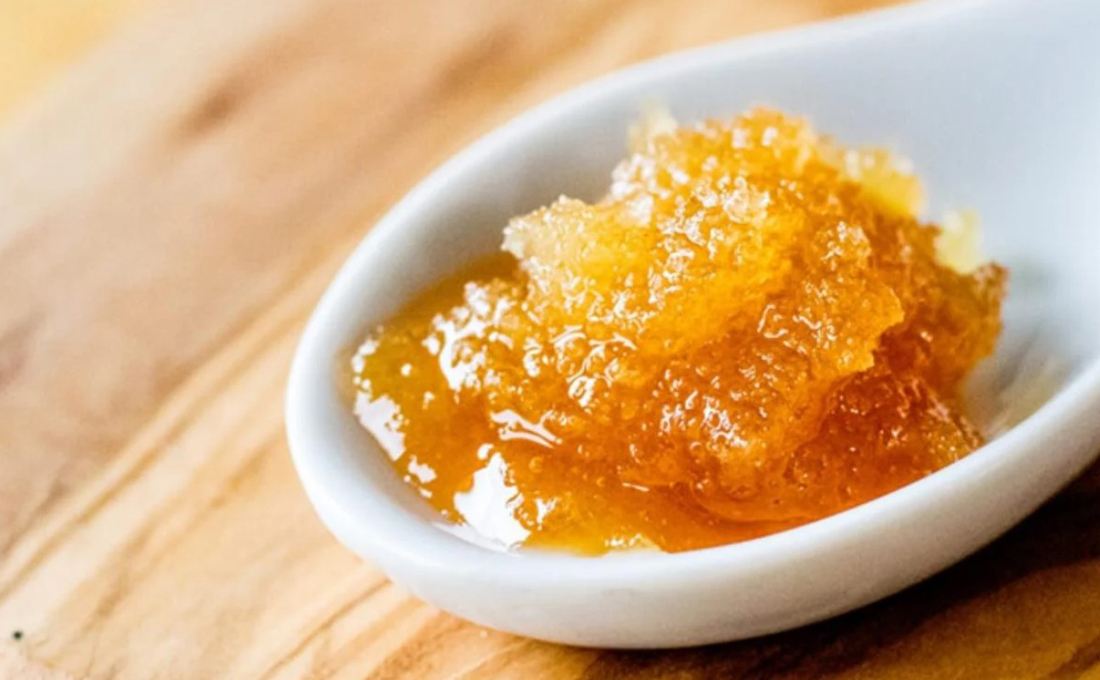
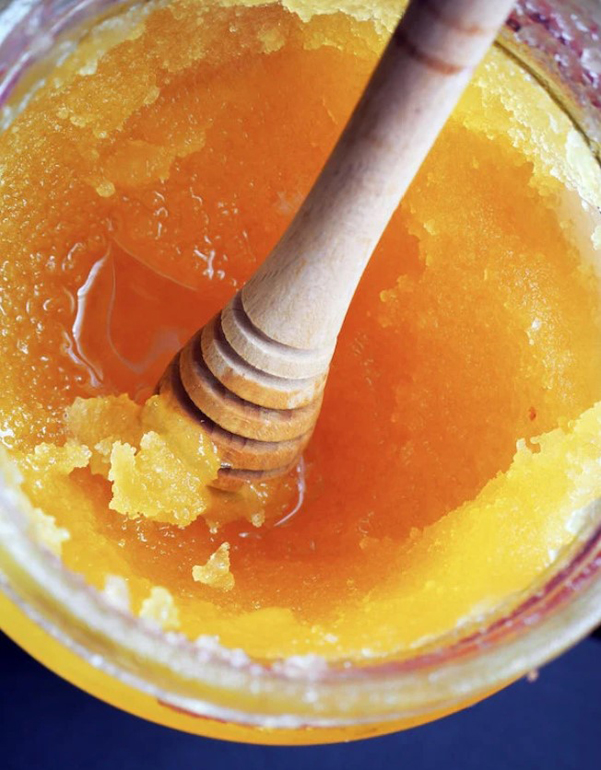
My maid undoubtedly thinks I am a bit eccentric, in part because my kitchen cabinet has several jars of bee's honey, each 95% empty and labeled "No tocar!" Various sources claim that today most of the sweet stuff sold as honey is fake; actually cheap corn syrup colored and flavored, and with none of the nutritional or medicinal benefits. Real bee's honey naturally crystallizes with time, and that is why I am keeping samples in the hope of learning which of them are genuine.
This problem of fake and counterfeit products is widespread across many industries from auto parts to pharmaceuticals to grocery stores, and is a growing potentially-dangerous problem. In the world of Information Technology there are more examples than I can count, and one of the most pernicious is one that many readers of this column probably have in their pockets or sitting on their desk now.
Since USB flash memory drives, also known as thumb drives, appeared about 1999 they have become ubiquitous and quickly rendered floppy drives obsolete. They have also become more affordable since a small flash drive that cost $400 dollars in 2004 can now be bought for less than 50 cents when purchased in bulk. Keep that 50 cents in mind because that will be important later.
Flash memory is also used in many devices including digital cameras. A professional photographer hired to shoot a lavish wedding was aware that flash memory does wear out and can fail without warning, so for the important wedding job he bought a brand new memory chip for his camera. He bought one for less than $35 dollars. But after the wedding, he and everyone else was horrified to learn that all the photographs he thought he saved were irretrievably lost.
What some unscrupulous manufacturer had done was to take one of those tiny 50 cent memory chips and reprogram its microcontroller to report that it was 100+ times larger capacity that it really was, then falsely label it as 512 gigabytes, and then sold that 50 cent chip for $35 dollars.
Computers, smart phones, and other devices do not verify that the data they write was actually written. They have to rely on the storage devices to report errors. The insidious thing is that these fraudulent drives never report any errors. They falsely report that everything is fine.
When the unsuspecting photographer thought he was saving hundreds of photographs on the chip, that chip had only enough room to record the names of all the files but not any of the images. When he looked at the contents of the disk, the microcontroller listed hundreds of images, but in reality there were only the names of the files and not any data in those files. Every photo he tried to view produced a "data not found" error. When he used some disk-repair utilities, the microcontroller on the flash drive reported there was 512 gigabytes of capacity on the drive, and that everything was fine. But that was a lie. Those 512 gigabytes of storage capacity did not exist. So, all those irreplaceable wedding photos were never saved.
At present there is no way to easily test the trustworthiness of a flash drive other than the hours-long process of copying real data to the drive then doing a byte-for-byte comparison of the files that were copied. And the conundrum is that doing this fatigues the drive and hastens the day it will wear out.
The Gibson Research Corporation makes a test utility for Windows, named ValiDrive. The software's author purchased 12 inexpensive one and 2 terabyte thumb drives from Amazon... and every single one of them was counterfeit. His test program tests several hundred out of the millions of sectors on a flash drive in order to give a reasonably accurate indication of whether or not a flash drive is trustworthy, and does this without unnecessarily fatiguing the drive. This program is free to download from the company's web site.
And about those almost-empty jars of honey in my kitchen? It can take months for genuine honey to crystallize… and so far none of my samples have.
**************

Charles Miller is a freelance computer consultant with decades of IT experience and a Texan with a lifetime love for Mexico. The opinions expressed are his own. He may be contacted at 415-101-8528 or email FAQ8 (at) SMAguru.com.
**************
*****
Please contribute to Lokkal,
SMA's online collective:
 ***
***
Discover Lokkal: Mission
Visit SMA's Social Network
Contact / Contactar